
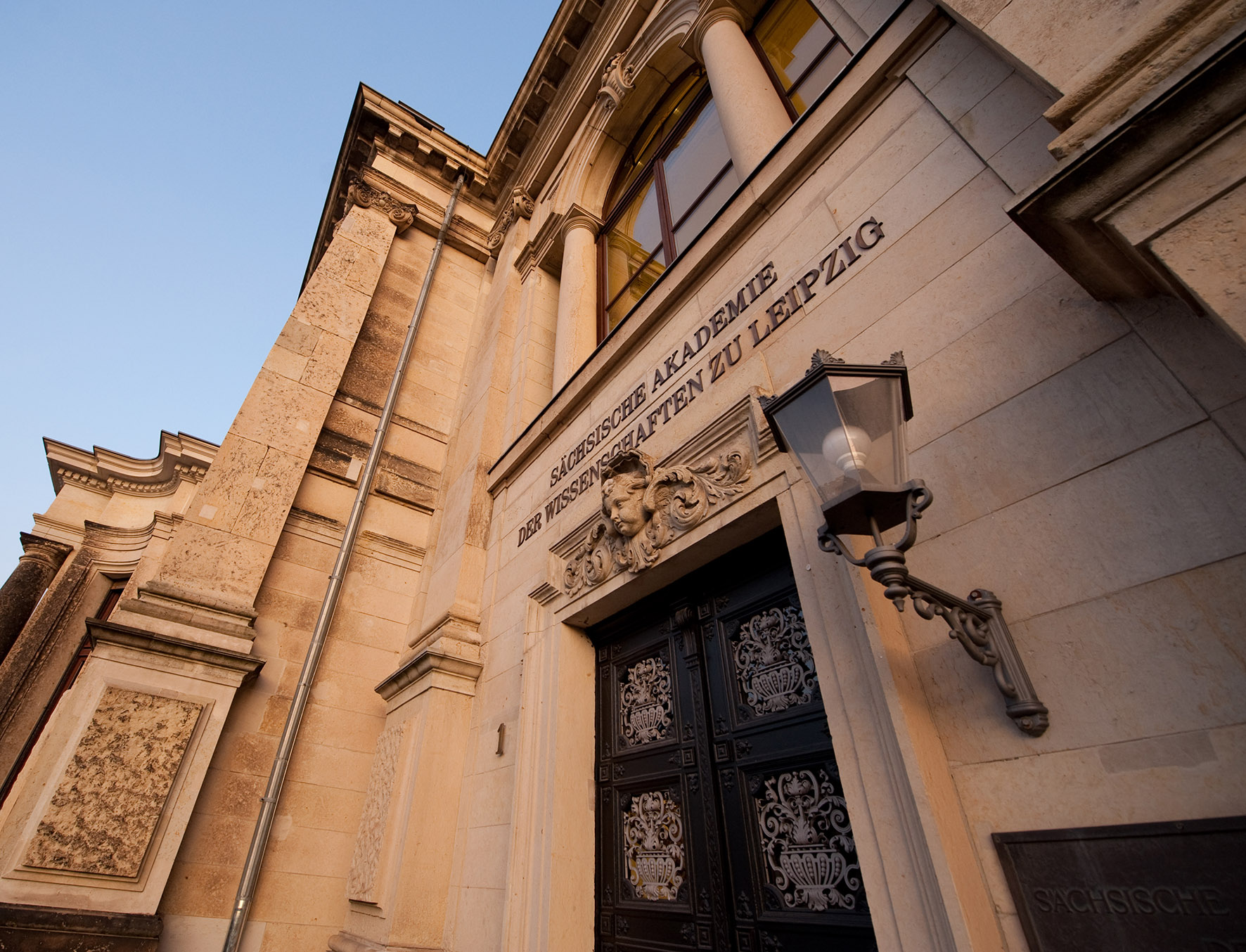
Founded in 1846 under the name of Royal Saxon Society for the Sciences, the Saxon Academy of Sciences and Humanities in Leipzig, like its sister institutions, is rooted in the idea of the academy formed by Leibniz to unite "theoriam cum praxi". More than 200 scientists of all disciplines meet regularly to exchange views, examine methods and results of specialist studies in interdisciplinary discussion and engage in long-term basic research.
Political Unions in European History (10th–18th Centuries) and Their Perception in the Cultures of Remembrance (19th–21st Centuries)
International conference in Brussels, in cooperation with the Polish Academy of Sciences
More
New long-term project reconstructs and documents living environments of Alevi communities in Anatolia from the 16th to the 20th century
With the beginning of 2026, a new long-term research project under the umbrella of the Academies' Programme has commenced its work. The aim of the Alevite Archive project is to develop a comprehensive research database documenting the historical living environments of Alevi communities in Anatolia from the 16th to the 20th century.
More
Polish Academy of Sciences and Saxon Academy of Sciences and Humanities sign cooperation agreement
The Polish Academy of Sciences and the Saxon Academy of Sciences and Humanities have signed an agreement regarding their future cooperation. Among the potential topics which were discussed are the historical sciences, artificial intelligence, dynamic processes as well as biodiversity and climate.
More